custom pet insurance for smarter spending and calmer care
What customization really means
Custom pet insurance lets you shape coverage around your pet's risks and your budget instead of squeezing into a preset box. Actually, that's a bit broad - more precisely, you select a few key levers that control what you pay and what gets reimbursed.
- Annual limit: The maximum the plan pays each policy year.
- Deductible: What you pay before reimbursement starts; higher usually means lower premiums.
- Reimbursement rate: The percentage of covered costs paid back to you.
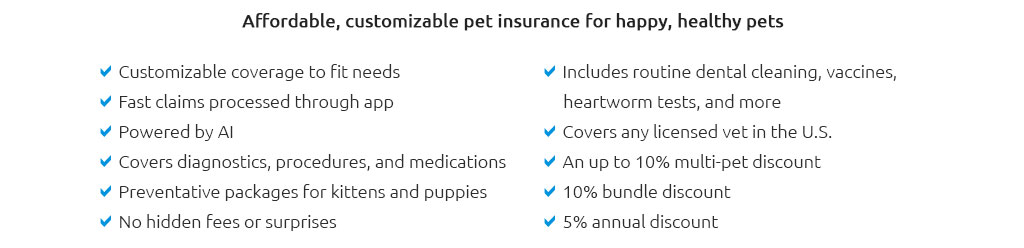
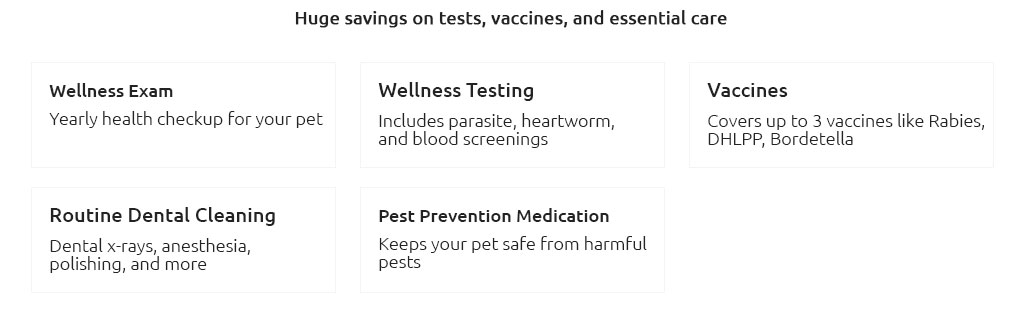
- Coverage modules: Accident-only, accident+illness, optional wellness/routine care, exam fee coverage, rehab, or alternative therapies.
- Waiting periods and exclusions: You can't usually change them, but you can choose a plan whose defaults fit your needs.
How it saves real money
Flexibility is not just comfort; it's cost control. You keep robust protection for big, unpredictable bills while trimming features you won't use.
- Pick a slightly higher deductible and pair it with a solid annual limit to defend against major events.
- Skip or limit wellness add-ons if you can budget routine care yourself.
- Match coverage to breed risks (e.g., joint care for large dogs; urinary coverage emphasis for some cats).
- Right-size the reimbursement rate; 70 - 80% often balances premiums with meaningful payback.
- Look for multi-pet and pay-annually discounts if available.
- Use tele-vet options when appropriate to avoid unnecessary visits, if covered.
A quick moment from real life
Carlos adjusted his terrier's plan after an agility mishap. He raised the deductible, kept exam fee coverage, and added rehab. The premium dropped a bit, but when a partial cruciate tear needed therapy, the customized mix still reimbursed most sessions - proof that trimming in the right spots can preserve meaningful protection.
What to watch before you finalize
- Pre-existing conditions: Typically excluded; ask about "curable" exceptions after symptom-free windows.
- Bilateral conditions: If one knee or eye is treated, the other side may be limited; read this clause closely.
- Per-incident vs annual caps: Annual limits are simpler; incident caps can complicate claims.
- Coinsurance after deductible: Confirm how percentages apply and whether exam fees are covered.
- Waiting periods: Accidents are often shorter than illnesses; cruciate/hip may have special waits.
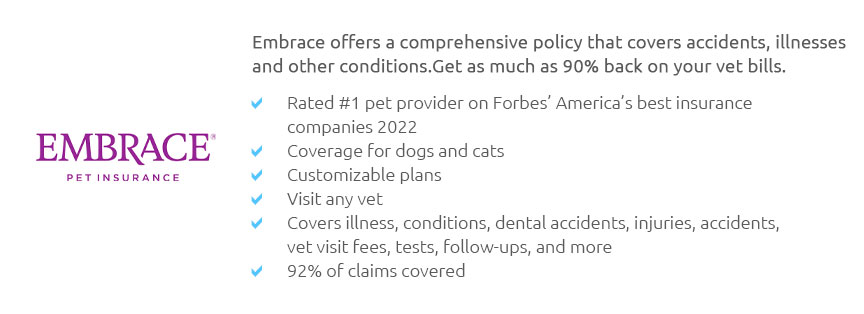
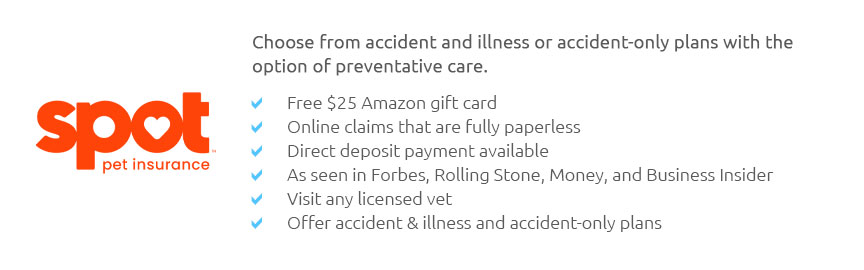
- Network freedom: Many plans allow any licensed vet; verify emergency and specialty care rules.
Claim flow and flexibility
You typically pay the vet, then submit an invoice for reimbursement. Photo uploads, itemized bills, and vet notes speed things up. Some providers can pay the clinic directly for large procedures. Flexible plans keep documentation simple and give clear timelines, which helps cash flow.
Accessibility matters
Plain-language policies, mobile claims, and responsive support reduce friction. Monthly payments keep entry costs manageable, and some insurers offer multi-pet or member discounts. If English isn't your first language, look for multilingual help and easy-to-read summaries.
Budget-first plan sketches
- Puppy explorer: Moderate annual limit, mid deductible, illness+accident, no wellness; add rehab/behavior if breed-relevant.
- Indoor cat minimalist: Lower limit, higher deductible, accident+illness, no wellness; keep urinary and dental illness coverage if offered.
- Senior dog safeguard: Higher limit, mid deductible, exam fee coverage; prioritize chronic-care meds and joint support if available.
Checkpoints for comparing quotes
- List top three risks by breed/age and match add-ons accordingly.
- Test premiums at two deductibles and two reimbursement rates; note how the annual limit changes value.
- Scan exclusions and special waiting periods; highlight anything bilateral or hereditary.
- Estimate one realistic claim and calculate your true out-of-pocket under each plan.
- Only then consider discounts; they're the tie-breaker, not the foundation.
Custom pet insurance works best when it's intentionally lean: enough ceiling for the big stuff, minimal fluff elsewhere. With a few careful adjustments, you keep care accessible, preserve flexibility, and avoid paying for coverage you won't use - while still protecting your savings from the bill that matters most.